
Who are your antagonists?
And how do you manage them?
Do you struggle to get to your creative practice? Maybe there’s not enough time in the day. Maybe your plate is already overflowing. Maybe you’re not sure where to begin.
You’re in good company because every great artist has a powerful antagonist.
Do you know who your antagonists are?
Did you ever consider what role they play in your creative practice?
The goal of the antagonist is to get in the way of you achieving yours.
You are the protagonist in your life, and the antagonist’s job is to oppose you. An antagonist creates conflict. It causes chaos. It sings you siren songs of distraction, luring you away from your mission.
You may be familiar with the concept in the context of creative writing, but antagonists exist in all avenues of creativity, and in life. And they may be the reason you are not showing up for your artist soul as much as you would like to.
Antagonists are not just the bad guys.
They could be specific people or invisible forces. I’ll be using the impersonal pronoun to refer to the antagonist because it is easier to get tough with an impersonal force than with a person IRL who might actually live with you.
Some artists consider their rivals as antagonists (hello, scarcity mindset!). Some artists face antagonists in their struggle with mental illness, like Vincent Van Gogh.
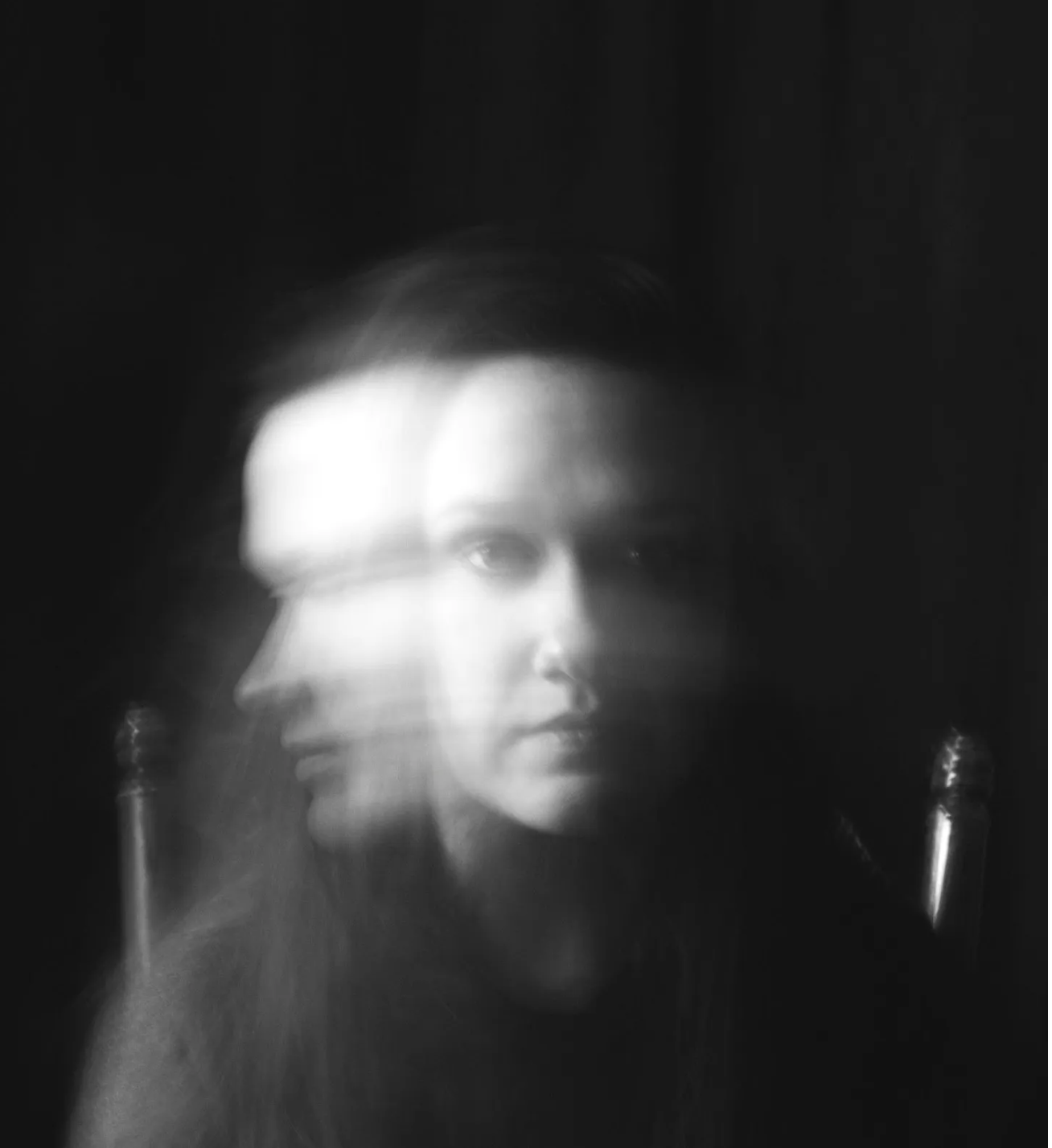
I have a bunch of different antagonistic forces at play. Do you recognize any of these in your life?
Perfectionism - If you can’t do it perfectly, why bother showing up at all. Does it feel like your worth is tied to the ability to create perfect art?
Internalized Capitalism - If you can’t sell your paintings, why bother trying. Does it feel like your worth is tied to your ability to sell art?
People pleaser tendencies - Were you raised to put everyone else first? When you sit down to create something while there are still dirty dishes in the sink, do you feel like you are being selfish?
Imposter syndrome - Have you ever heard that voice in your head asking “Who do you think you are to call yourself an artist?”
Cultural expectations that show up as a voice in your head saying: “Don’t make waves. Keep the peace. Be quiet. Who do you think you are to take up space?”
The pressure to conform which asks “What will people think??”
There are endless ways an antagonist can show up and get in your way. But consider this: without your antagonist, life would feel like endless Barney episodes. From K.M. Weiland, a creative writing teacher:
Without the antagonist, there is no story. The antagonistic force is the obstacle between your character and his goal. Without that obstacle, the protagonist gets what he wants, no problem–and remains stagnated personally because he didn’t have to struggle to get it.
The struggle is an essential part of the creative process. It is not a reason to throw your hands up and quit! The creative process thrives on puzzle-solving and risk taking.
I remember artist Louise Fletcher suggesting that life would be unbearably boring if every morning she would complete a painting, and by evening it would be sold. The next morning, the cycle would repeat: she’d create a painting and sell it by nightfall. Where is the thrill in that? Where is the challenge? Our antagonists bring those things to the table.
Though it may sound like a bad actor, the antagonist actually serves an essential purpose. The antagonist:
Requires you to know your “why.” It demands that you get clear on what and why you create.
Provides the stone against which you sharpen your skills.
Sets the container for your struggle with the process.
Tests you to see if you are really serious.
Requires you to commit to your cause and take action.
Keeps the fire lit under you.
You can’t free yourself from your antagonist, but now you know what role it plays. Our power lies not in keeping these antagonist thoughts from swirling around in our heads, indeed we cannot control that. Our power lies in how we respond to those thoughts.
How will you respond to your antagonist thoughts?
Does your antagonist motivate you to keep on learning? Stretching yourself? Taking new risks with different media or techniques? Maybe using bigger brushes would keep me from overworking my pieces to death.
Does your antagonist ignite your inner rebel who pushes back, saying “Oh yeah? Just watch me!” I think I need to feel my inner rebel some diet coke and cheetos just to rev her up!
Give it a name and a persona. I find it helpful to name the antagonist because then it is easier to recognize its presence.
I’ve been trying to weave more expressive marks into my realistic pieces. But due to an old story, my antagonist has been showing up as that voice that tells me I need to do art the “right way.” The way other people will approve of. The way others expect me to do art. Oh my, how my inside cringes as I type these words!!
I took a community ed watercolor class while I was high school age and when I experimented with dripping color, the other class mates were just this side of horrified. Maybe that’s why I struggle with using drips even now, and question my abstract expressions.
For years, I’ve wanted to release my death grip on perfectionism and realism. I’ve dabbled in playful expression but I always retreat to the “safety” and “acceptability” of realistic, cleaned up, finished pieces. I sense that there is freedom in painting more expressively, but that voice that asks “what will others think?” keeps getting in my way. I may be at the age where frankly, my dear, I don’t give a damn about what others think of my paintings!
Be curious about the motivation of your antagonist. Why is it showing up here? Why now? What does it want you to pay attention to?
Let me know in the comments who your most fearful or annoying antagonist is and how it can help you grow! We could all use some tips on managing these guys!